

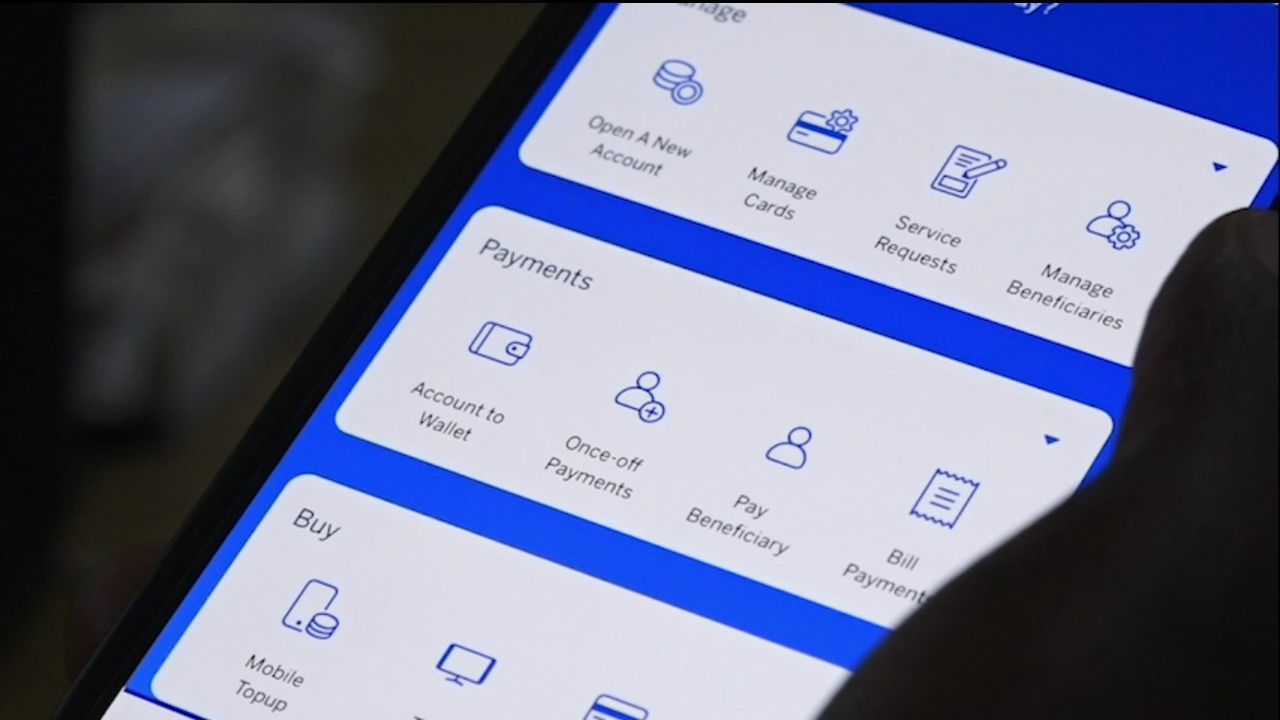
Experts are calling for reforms to Uganda’s digital payments tax regime, proposing a reduction of the current 0.5 percent tax on mobile money withdrawals to 0.25 percent and a more even application of the levy across mobile banking platforms.
The proposal comes amid growing evidence that some users are shifting from mobile money to mobile and agency banking services in an effort to reduce transaction costs.
Mobile money remains Uganda’s dominant digital payments platform, with active accounts reaching 33.7 million by 2025 and annual transaction values approaching Shs195 trillion, underscoring its central role in commerce and financial inclusion.
The platform continues to be driven by high-frequency, low-value transactions, particularly those below Shs50,000, making it a key payment channel for households, small businesses and the informal sector. MTN Uganda alone reports 14.7 million fintech users processing more than Shs433 billion in transactions daily.
However, experts say the tax burden on withdrawals is increasingly shaping consumer behaviour.
Michael Niyitegeka, Chief Executive Officer of Refactory, said digital payment users are highly sensitive to transaction costs and will naturally gravitate toward cheaper alternatives.
“Consumers are highly rational in their choices. A 0.5 percent withdrawal charge on mobile money may appear modest, but when applied repeatedly to daily cash flows, it becomes significant for individuals and businesses alike,” Niyitegeka said.
He noted that while mobile money continues to dominate, agency banking and mobile banking are growing rapidly, suggesting a gradual shift toward lower-cost channels.
Industry data shows that agency banking transaction values rose from Shs16.7 trillion in 2024 to Shs29.4 trillion in 2025, a 76 percent increase in one year. Transaction volumes also rose by more than 50 percent, while the number of agents expanded to over 22,000 nationwide.
According to Niyitegeka, this trend reflects more than market competition.
“What we are witnessing is a structural shift. Users are increasingly choosing channels that allow them to minimise transaction costs. The growth in agency and mobile banking suggests that price-sensitive demand is moving away from more heavily taxed platforms,” he said.
He added that the current tax framework creates an uneven playing field because withdrawal taxes are concentrated on mobile money services, while similar banking transactions often attract lower costs.
“The tax burden is concentrated on mobile money withdrawals, yet consumers often use banking channels for similar transactions. The result is not merely competition between platforms; it creates a distortion in the digital payments ecosystem,” he said.
A similar view is shared by Trevor Lukanga Bwanika, Senior Tax Expert at PwC, who said Uganda’s taxation of mobile money withdrawals is heavier than in many neighbouring East African countries.
“Across East Africa, governments generally levy excise duty on mobile money transactions. However, Uganda goes a step further by imposing an additional withdrawal tax, which significantly increases the cost to users,” Bwanika said.
He warned that while governments need to raise domestic revenue, taxation should not make digital financial services unaffordable or discourage adoption.
“When taxes become too concentrated on a single platform, consumers naturally adjust their behaviour. The rapid growth we are seeing in agency and mobile banking suggests that users are actively looking for more cost-effective ways to access their money,” he said.
Both experts support proposals to cut the withdrawal tax from 0.5 percent to 0.25 percent while applying the levy more evenly across digital payment channels.
They argue that a broader but lower tax would preserve government revenue while reducing incentives for users to abandon one platform for another purely based on cost.
They also say a more neutral tax structure would strengthen financial inclusion, encourage wider adoption of digital payments, and promote fair competition between mobile money operators and banking institutions.
As Uganda continues its push toward a cash-lite economy, the debate over how digital financial services should be taxed is likely to remain central to discussions on financial inclusion, innovation and domestic revenue mobilisation.
